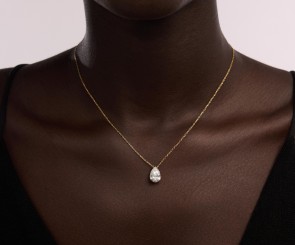
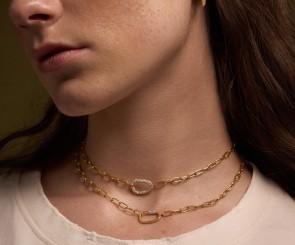
Traditional diamond industry has faced challenges around ethical sourcing, environmental impact and traceability
Lab-grown diamonds offer an alternative equally stunning, yet controversy-free


Get access to a transparent supply
chain from origin to your finger
without murky routes

Luxury can thrive without costing
the earth even in the name of
“rarity”

Wear affordable eco-elegant
diamonds without compromising on
quality or size
Lab-grown diamonds are formed in a controlled environment that replicates the intense heat and pressure found deep within the Earth — without the environmental disruption of mining.
Instead of using heavy machinery or explosives, these diamonds grow from a tiny carbon seed under carefully monitored conditions. This process preserves natural ecosystems and eliminates the need for invasive extraction.
There are two main growth methods: High Pressure–High Temperature (HPHT) and Chemical Vapor Deposition (CVD) — the latter used by Elaia to create diamonds grown to perfection.
In this method, a small diamond seed is placed in carbon and subjected to immense pressure and heat, causing the carbon to form around the seed.
The process happens in cubic press, bars press or belt press. Pressure applied of 5-6 GPa and temperature of 1,300-1,600°C
A diamond seed is placed in a heated chamber, filled with a gaseous carbon source, hydrogen gas, a substrate, an energy source and a heating element.
This process allows pure carbon to attach to the seed, growing the diamond at moderate temperature (700-1,000°C) and lower pressure (< 1 GPa) versus HPHT

The short answer is YES!
In 2018, the Federal Trade Commission redefined a diamond as “a mineral consisting essentially of pure carbon crystallized in the isometric system,” removing the word “natural.” This confirms that whether created in a lab or formed underground, a diamond is a diamond.
Lab-grown diamonds share the same physical, chemical, and optical properties as mined ones — they are identical in every way, except for their origin.


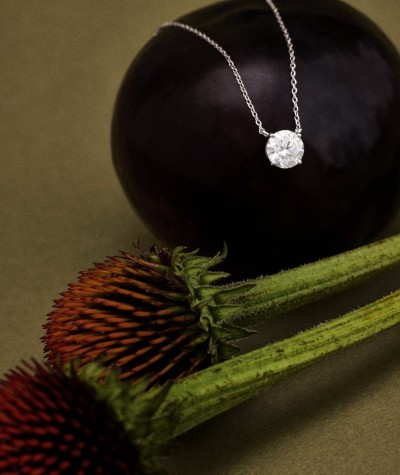
Diamonds composed of pure carbon, free from nitrogen or boron impurities. This results in remarkable clarity, brilliance, and optical transparency
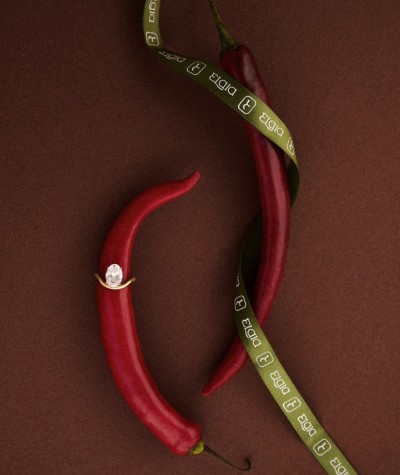
Just like natural diamonds, lab-grown diamonds follow the same 4C scale and are accompanied with IGI certificates
Just like natural diamonds, many opt to insure their jewelry. Should you need any help you can reach out to us through Contact us